July 11, 2026
Do you need vaccines for Indonesia?
Vaccines for Indonesia aren't mandatory, but they're strongly recommended for certain remote areas of the archipelago. The more urbanized regions, on the other hand, are fairly safe and don't call for any particular precautions.
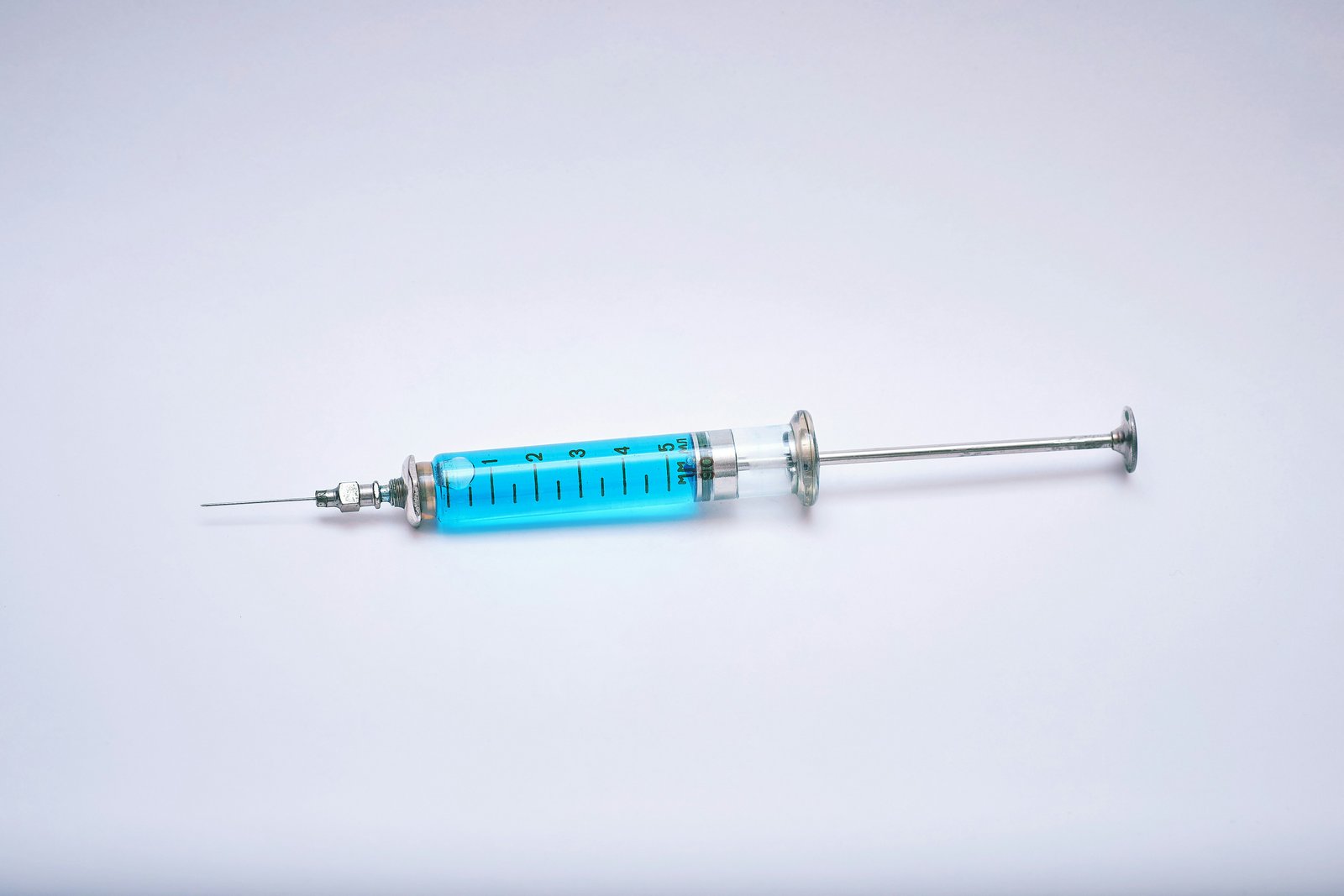
Vaccines for Indonesia are not mandatory. Nowadays, most major cities are modernized and largely free of serious epidemics. However, if you're spending several months deep in the countryside — in the jungles of Papua, for instance — it's wiser to get immunized against certain diseases. Ultimately, beyond the official regulations, which are quite flexible on this topic, it's up to each traveler to decide individually what they consider worthwhile for their own health.
Which vaccines are recommended in remote areas of Indonesia?
The Institut Pasteur, the well-known French medical research institute, identifies five recommended vaccines for isolated rural areas of the Indonesian archipelago: Hepatitis A, Hepatitis B, Japanese encephalitis, Rabies, and Typhoid.
If your vaccination schedule is up to date, you likely don't need Hepatitis A again, since it's automatically included in France's standard childhood vaccine schedule. The other four vaccines for Indonesia, however, are additional shots that are rarely given in Europe. You can contact your nearest international vaccination center if you'd like to get them done before you leave.
Preventing malaria in Indonesia
Much like the viruses and bacteria mentioned above, malaria in Indonesia is extremely rare. It's virtually nonexistent in Java, Sumatra, or Bali, but it can potentially be caught in Papua, the Moluccas, or remote islands like Flores or Sumbawa. Medications to take before your trip to protect against this lethal disease are available at pharmacies — atovaquone, proguanil, and Malarone among them. Ask your doctor for more details.
A few precautions against mosquitoes
Japanese encephalitis, malaria, and other, more minor issues are all transmitted by mosquitoes. A few good habits can lower your risk of getting bitten. Start by checking whether the places you plan to stay have mosquito nets, and consider bringing your own just in case. Beyond that, it's a good idea to apply insect repellent before going to sleep. The most effective product is Soffell, which is easy to find in local supermarkets. One last trick for shielding yourself from insects is to sleep in long clothing — go for something lightweight so you don't overheat, but avoid short outfits.
Special care with water and food
As you probably already know, tap water isn't safe to drink in Indonesia — it's an excellent carrier for all sorts of dangerous bacteria. Stick exclusively to sealed individual bottles or pre-filled plastic cups you can find in stores. It's also best to avoid washing vegetables in cold water; boiling it first is much safer. As for food, while we think it's a bit extreme to completely avoid street food stalls and flatly refuse to eat on the street, it's wise to turn away from places where hygiene looks noticeably neglected. Ask locals for their favorite spots.
Looking for a guide for your next trip to Java?
Contact me now