July 9, 2026
What are the best volcanoes in Indonesia?
A rundown of the best volcanoes in Indonesia to climb on your next trip, plus some practical tips.
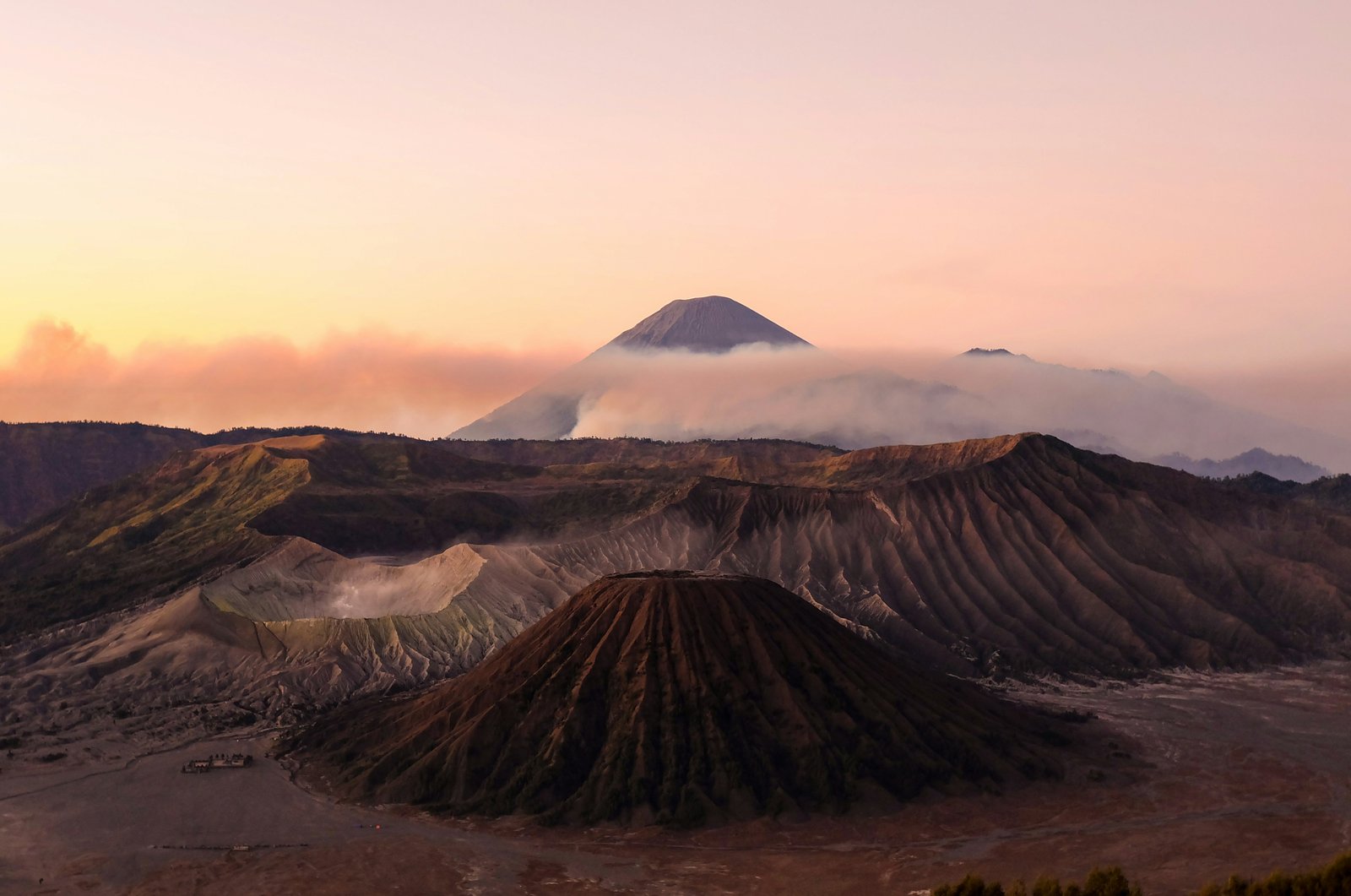
Alongside scuba diving, discovering splendid religious buildings, or meeting ancestral peoples who still keep their traditions alive, visiting volcanoes in Indonesia is a must-do activity in the region. The Indonesian archipelago is the place on Earth with the most active volcanoes — around 130 of them, spread across its many islands. But which one should you choose? How do you properly prepare to hike these fascinating giants of fire? Here are a few answers in this article.
Which volcano should you climb?
Nearly all of Indonesia's main islands have interesting volcanoes worth trekking up: Mount Agung in Bali, Rinjani in Lombok, Kerinci in Sumatra, Lokon-Empung in Sulawesi, or Kelimutu in Flores. But the island most famous for its peaks remains Java, with the well-known Mount Bromo, Merapi, and Kawah Ijen. Where should you start?
First, it's important to understand that volcanoes in Indonesia each have their own difficulty level, and some experience is needed to tackle the most challenging ones. If you've never done this kind of trek before, start with the gentler slopes to get the hang of it. Here's an official list of volcanoes in Indonesia with their respective difficulty levels, put together by local authorities. Don't hesitate to check it out before finalizing your itinerary.
Should you hire a guide?
Here again, it largely depends on your climbing skills. If you're used to hiking in high mountains and you're headed for an easy or intermediate volcano, the risk is fairly low and you can absolutely manage on your own. On the other hand, tackling a difficult volcano as a beginner is a very bad idea. Several tourists have recently lost their lives in Indonesia after falling during solo volcano excursions. Don't try to save a few dozen euros at the cost of your life — surround yourself with professionals to hike safely.
Some particularly accident-prone volcanoes, like Rinjani, require tourists to hire a guide just to be allowed entry — which, in our view, is an excellent rule. Many volcanoes, Kawah Ijen among them, also require a medical certificate from a local clinic before you can get your entry ticket. Ask your guide or your accommodation where to go for these routine medical checks, which won't take more than five minutes.
A few more things worth knowing about volcanoes in Indonesia
Active volcanoes aren't just dormant mountains. They can erupt at any moment and produce devastating lava flows, so be very careful before setting off toward any particular crater. Residents of nearby towns and villages can tell you about any current restrictions, but you can also check this excellent website that tracks volcanic activity in real time, for the most up-to-date information.
Also remember to dress warmly for your ascent, since temperatures drop quickly and you'll feel like you're in the middle of winter once you reach the top. Bring water bottles and snacks in case you get hungry. Finally, always let someone you trust know before you set off, and promise to check in with them as soon as possible. If you're slow to get back in touch, that person can alert emergency services so they can step in in time if you run into trouble.
Looking for a guide for your next trip to Java?
Contact me now